You're juggling renewal conversations, activation timelines, proof-of-performance reports, and a dozen partner relationships all at once. The tools you're using can help you track what's happening. But they rarely help you think through what's coming.
Creedman Ingram knows that gap well. As Chief Technology Officer at SponsorCX — and the platform's primary architect — he sits at the intersection of sponsorship management and emerging technology every day.
An MIT graduate with a background in computer science and molecular biology, Creed has spent his career building web and mobile applications, including software now used by more than 100 university athletic departments across North America.
In a recent conversation with SponsorCX's Jim Andrews, he laid out five practical ways sponsorship professionals can put AI to work right now — not to replace the relationship skills they've built over a career, but to prepare, plan, and communicate better than they could on their own.
Here are five practical ways to put AI to work in your sponsorship workflows today.
Use AI as a Thinking Partner — Not Just a Search Engine
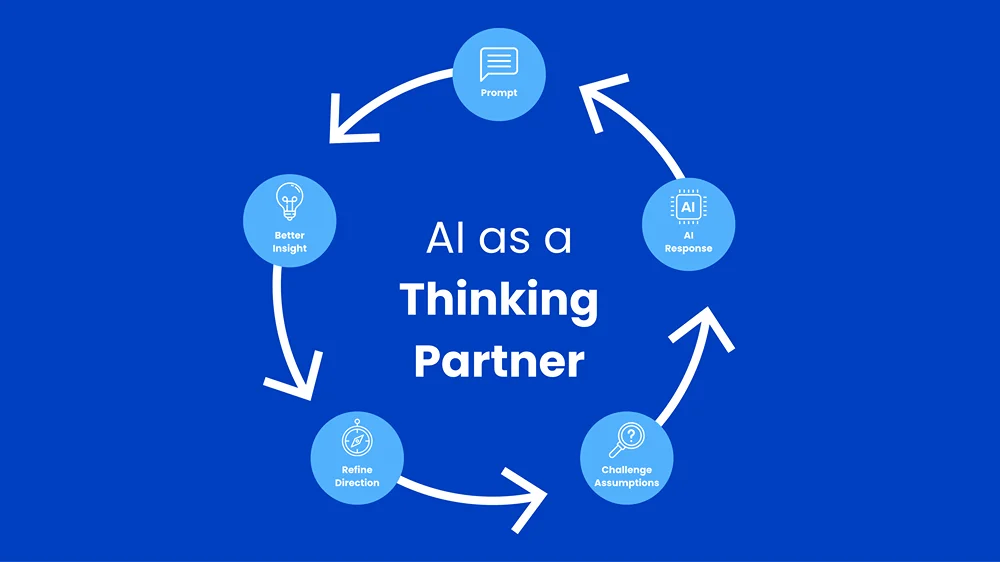
Most people treat AI like a search bar. They type in a question, get back an answer, and move on. That approach only scratches the surface.
The real value comes from using AI as a collaborator — one you can instruct, challenge, and redirect.
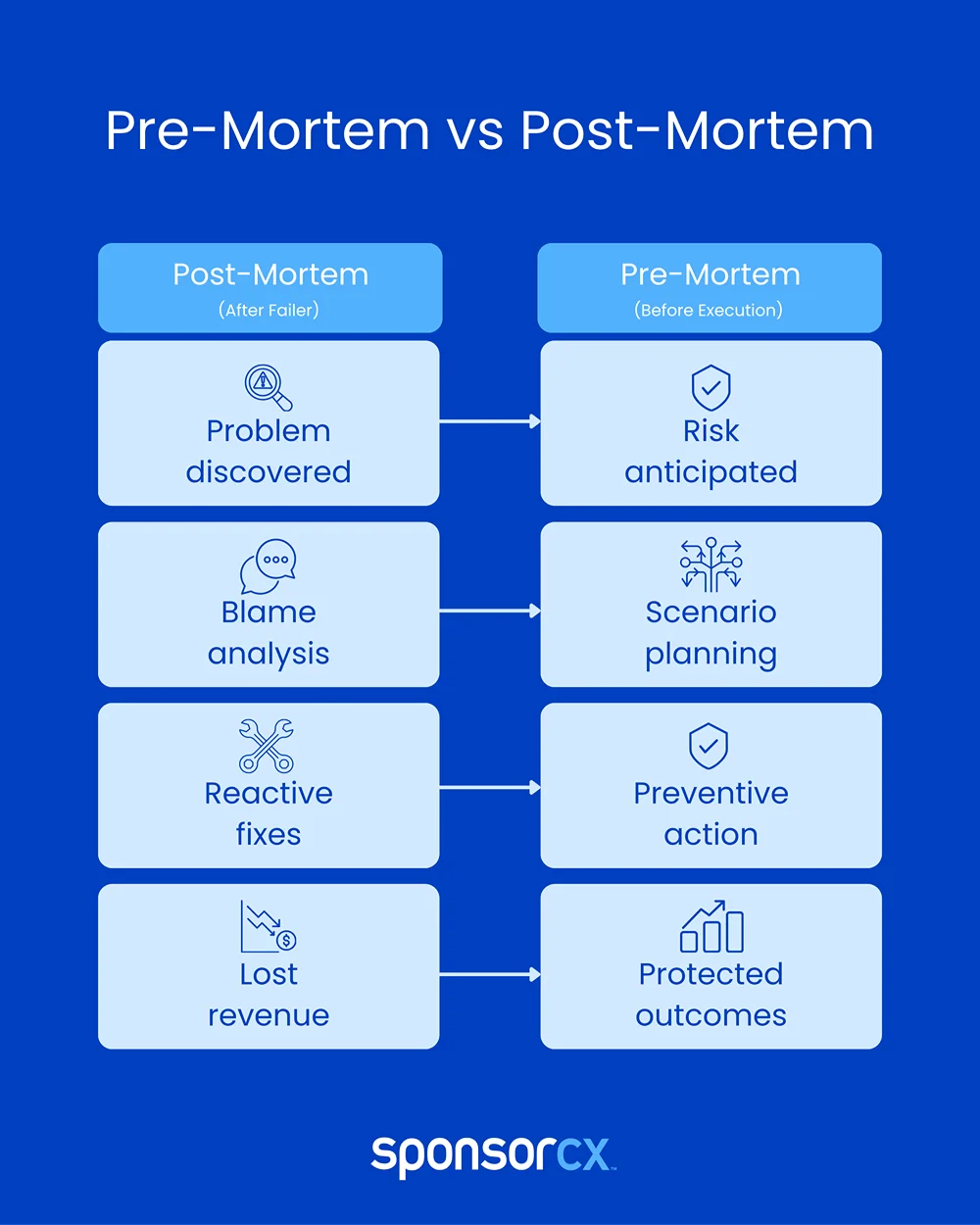
One of the most effective techniques is running a pre-mortem. Instead of reviewing what went wrong after a renewal falls apart, you simulate the failure before it happens. Give AI a snapshot of a partnership that's coming up for renewal and ask it to identify the top reasons it could fail, ranked by impact. Tell it to act as a skeptical brand buyer. Push it to be specific.
You'll surface concerns you hadn't thought to ask — and you'll go into that renewal conversation more prepared than you've ever been.
One tip that makes this work even better: add the phrase "ask me one question at a time" to your prompts. Instead of getting a wall of text back, you get a focused dialogue that helps you find the real issue quickly.
And if AI feels too agreeable — which it often does — that's fixable. Tell it explicitly to challenge you. Give it a persona. Ask it to poke holes in your own thinking. The tool mirrors what you give it.
Plan Activations Before Problems Show Up On-Site
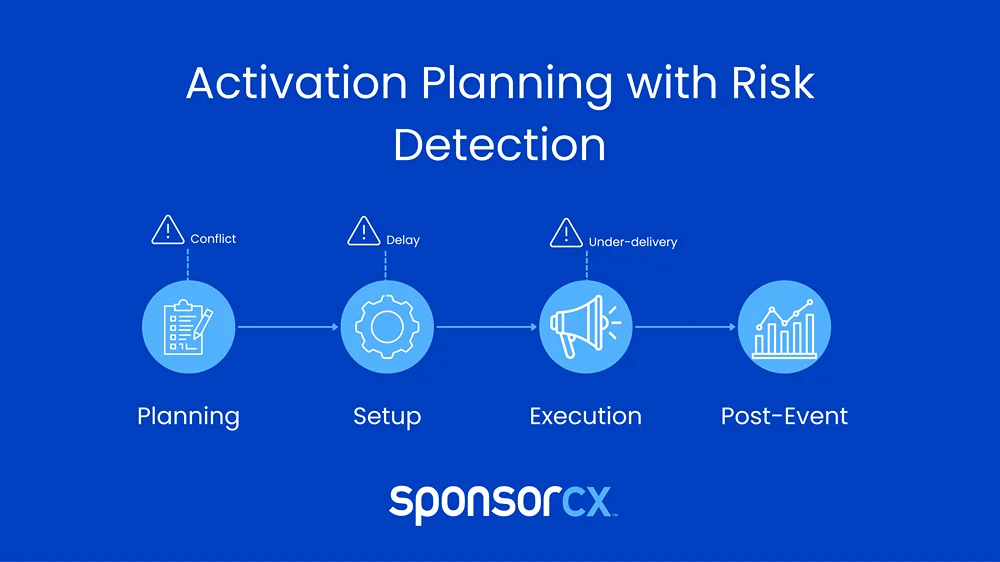
Anyone who's managed event activations knows the feeling: something goes sideways on game day that should have been caught in the planning phase.
AI can help you close that gap. Give it the details of an upcoming activation — partners involved, timeline, venue constraints, team size — and ask it to build a sequenced plan. Then ask it to find the problems in that plan.
You can tell it to act as an operations rep who has to physically execute everything, or a legal reviewer who's looking for any risk of under-delivery. Either way, you're getting a second set of eyes that doesn't get tired and doesn't miss the obvious.
The same approach works across your full portfolio. If you're managing multiple partners with overlapping activations, AI can help you spot conflicts — like two competing brands scheduled on the same night — and suggest a better sequence. That's not a task anyone has time to think through carefully on their own. It's a perfect job for AI.
Tell the Partnership Story Your Partners Want to Hear
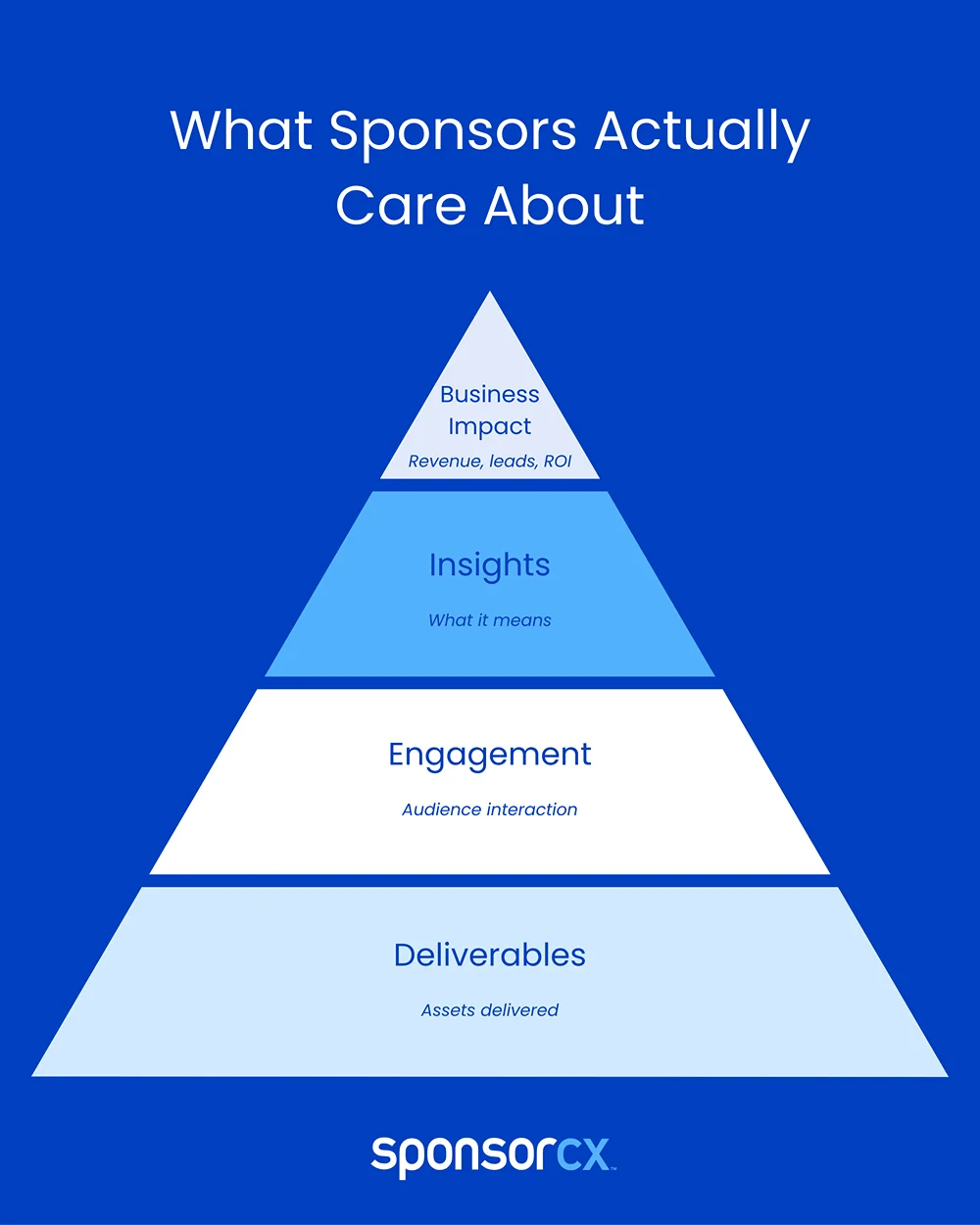
End-of-season reports are easy to get wrong. The instinct is to lead with everything that went well and minimize what didn't. But the partners who feel most valued are the ones who sense you're being straight with them.
AI can help you build a more honest, more compelling story. Pull together your proof-of-performance data — deliverables, metrics, photos, coverage — and ask AI to identify both the wins and the areas for improvement. Then ask it to frame everything from the CMO's perspective. What would matter to them? What would they want explained?
This isn't about letting AI write your report. It's about using AI to pressure-test the story you're trying to tell before you tell it. The result is a recap that feels thoughtful rather than promotional — and that's what sets up a renewal conversation the right way.
Rehearse the Hard Conversations Before They Happen
Procurement wants to cut spend by 20%. Your contact is questioning whether the audience still aligns with their brand. The renewal meeting is in two weeks and you're not sure how it's going to go.
AI can help you prepare for that conversation — by playing the other side.
Set it up as a roleplay. Tell AI to act as the tough procurement lead or the skeptical brand buyer. Have the conversation. Push back. Refine your talking points. Then ask AI to switch positions and come at you from a different angle.
You'll feel the pressure of the exchange without the stakes. And when you sit down for the real conversation, you won't be encountering those objections for the first time.
This isn't about scripting what you'll say. Sponsorship is a relationship business, and no one wants to feel like they're talking to a rehearsed pitch. The goal is to think through your position clearly so you can have a real conversation — with confidence.
AI Gets Better When You Give It Better Data
Here's the part that matters most, and it's the part most people skip.
AI is only as useful as the information you give it. Vague inputs return vague outputs. Structured data returns confident, specific answers you can actually act on.
If your sponsorship data lives in a system that's organized — assets tracked, activities logged, partner history documented — you can ask AI to do things like identify renewal risk across your portfolio, flag under-delivered assets, or surface one proactive recommendation per partner heading into next season. That's a different category of useful than asking AI to draft an email.
The practical takeaway: the system of record you choose matters more than it used to. AI is a powerful interpreter, but it needs clean information to interpret. If your data is scattered across spreadsheets, old emails, and someone's phone camera roll, AI can still help — but you're leaving a lot of capability on the table.
This is also why the question of data security matters. If you're using a paid subscription to a major AI platform, your data isn't used to train public models. That's not the case with free-tier tools. For proprietary partner information, that distinction is worth knowing.
And if your organization has restrictions on sharing internal data? You can still get value. Keep the details general — describe a situation without naming the client, use approximate figures, let AI make assumptions and challenge them. The thinking still sharpens. The preparation still helps.
The Advantage Goes to Those Who Try
AI won't replace what you know, but it can amplify it. The better your judgment, the more useful AI becomes — because you know which questions to ask and which answers to push back on.
The sponsorship leaders who will feel the difference this year aren't the ones waiting for a perfect implementation plan. They're the ones experimenting now, figuring out what works, and building it into how they operate.
SponsorCX is built to support that kind of work — with a platform designed to keep your partnership data organized, accessible, and ready to work alongside the tools you're adopting. If you want to see how that works in the real world, we'd be glad to walk you through it. It’s a great time to take a test drive.
You make sponsorships happen. SponsorCX makes it simple.