Melissa, a sponsorship manager for a regional sports team, stared at her phone, herbal tea in hand. A message flashed across her screen: “Sponsorship Renewal—Need to Discuss.” Her stomach dropped. Everything had gone well—the activations, the crowds, the exposure. So why did it sound like bad news?
Across town, Jason, a brand marketing manager, scrolled through a report from his agency. The exposure numbers looked fine, but something was missing. His boss wanted proof of ROI, not just photos of smiling fans. Jason wasn’t sure the partnership had delivered measurable impact.
Both professionals were living opposite sides of the same challenge. That tension between what’s promised, what’s delivered, and what’s proven, is the heartbeat of the sponsorship lifecycle. When both sides understand how the sponsorship sales process, activation stages, and renewal conversations fit together, sponsorship stops feeling like guesswork and starts operating like a growth engine.
Why the Sponsorship Lifecycle Matters
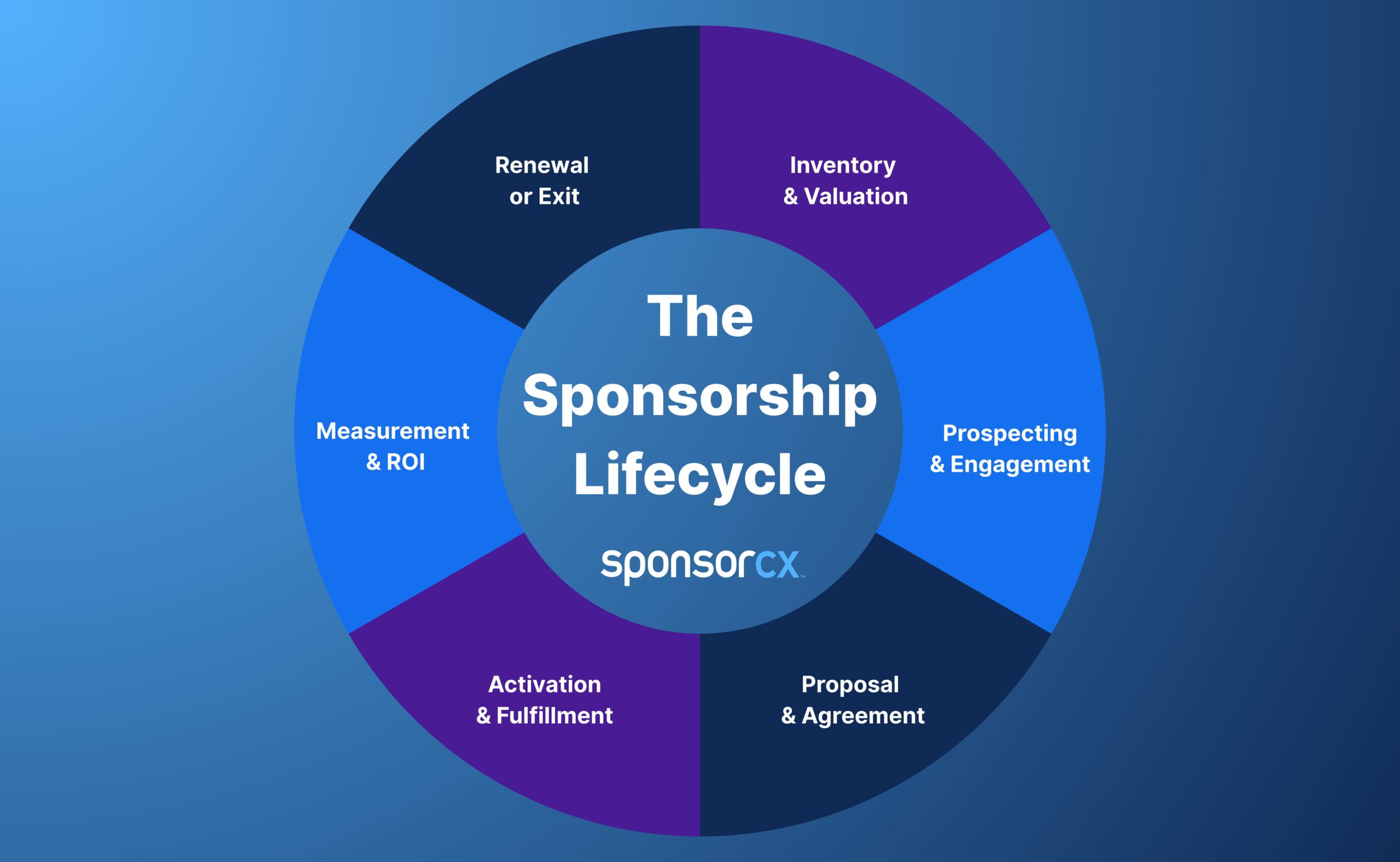
Every strong partnership has a rhythm—the journey that takes a deal from first contact to long-term renewal. The lifecycle gives structure to what can otherwise feel chaotic. It ensures that every phase, from outreach to activation, builds toward measurable impact.
Here’s what you gain by mastering it:
- Clarity: You always know where you are and what comes next.
- Efficiency: Your sponsorship sales process becomes predictable instead of reactive.
- Retention: You build systems for sponsor relationship management, reducing churn.
- Proof: You track ROI and make renewing sponsorship agreements data-driven instead of hopeful.
In short, the lifecycle helps both sides—sponsors and properties—move from transactional deals to strategic partnerships. And with a platform like SponsorCX guiding every step, teams can manage this process seamlessly and confidently.
Stage 1: Inventory & Valuation
Before you can sell a sponsorship, you must know exactly what you’re selling and what it’s worth.
What “inventory” Means in Sponsorship
Inventory is every asset you can offer a sponsor to connect with your audience. It’s not just logos and signage—it’s experiences, access, and influence.
Common inventory categories:
- Physical assets: arena signage, banners, booths, uniforms.
- Digital assets: website placements, app features, email mentions, livestream integrations.
- Experiential assets: VIP access, product demos, meet-and-greets.
- Content assets: social campaigns, co-branded videos, influencer collaborations.
If you’re a rights-holder, create an inventory catalog that’s visual and easy to update. If you’re a brand, build a checklist of what matters most to your marketing goals.
How to Value Your Assets
Valuation is both art and science. You’re balancing exposure, exclusivity, and engagement potential. Start with:
- Audience data: demographics, reach, impressions, dwell time, purchase behavior.
- Comparable market rates: benchmark against similar sponsorships in your region or industry.
- Engagement multipliers: social amplification or influencer reach can boost asset value.
- Perceived brand fit: perfect alignment between brand and audience increases value beyond exposure.
You can also use valuation software or data from platforms like SponsorCX to track what assets deliver the strongest returns year over year.
Avoid These Valuation Pitfalls
- Guessing instead of using data.
- Undervaluing “soft” assets like brand alignment.
- Selling every opportunity à la carte instead of bundling customized packages.
- Avoid generic Gold, Silver, and Bronze tiers.
When you handle inventory right, you begin the sponsorship lifecycle on solid ground.
Stage 2: Prospecting & Initial Engagement
Think of this as the “dating” phase of the sponsorship sales process. Understanding how each phase connects—from inventory to renewal—can help teams build stronger partnerships.
Finding the right sponsor (or property)
Start by defining your “ideal partner profile.” Ask:
- Who shares your audience or mission?
- Which brands are expanding into your category?
- What companies have recently sponsored similar properties?
Then, mine resources like LinkedIn, SponsorPitch, or past event rosters. Track leads in a CRM or end-to-end sponsorship management system to stay organized.
Outreach that Works
The goal of your first contact is to open a conversation, not close a deal. Personalization is everything.
Weak outreach: “We’d love for you to sponsor our event.”
Better outreach: “Your focus on sustainability aligns perfectly with our eco-tourism festival. Let’s discuss a partnership that shows how your brand leads in green innovation.”
The second example demonstrates value, not need.
Qualify Before You Pitch
Don’t chase every lead. A qualified prospect has:
- Decision-making authority or direct access to it.
- Marketing or CSR budgets aligned with your timeline.
- A clear reason to reach your audience.
Qualifying ensures your time is spent on the best-fit partners—and makes your proposal conversations more productive.
Stage 3: Proposal, Negotiation & Agreement
Now that you’ve sparked interest, it’s time to formalize the relationship. This is where you turn curiosity into commitment.
Craft a Compelling Proposal
Your proposal should feel customized and strategic—not like a copy-paste template. Include:
- State the partner’s objectives in the company’s own terms.
- Relevant audience data and case studies.
- Tiered options to fit various budget levels.
- Mock-ups or activation concepts to spark imagination.
Keep it visual and outcome-driven. Sponsors buy results, not assets.
The Art of Negotiation
Negotiation isn’t about “winning.” It’s about alignment. Discuss openly:
- Rights and deliverables (logo placement, exclusivity, etc.)
- Activation roles (who executes which deliverables).
- Timelines and approval processes
- Metrics that define success
A well-documented agreement supported by clear deliverables builds accountability and trust—the foundation of every successful partnership.
Finalizing the agreement
Document everything clearly—especially deliverables and timelines. If possible, set up a shared project dashboard for visibility. This builds accountability and trust, the backbone of sponsor relationship management.
Stage 4: Activation & Fulfillment
Here’s where the rubber meets the road. The sponsorship activation stages bring your deal to life—through campaigns, content, and on-site presence.
Make the Partnership Visible
Activation should amplify both brands. Examples include:
- Sponsored content or influencer collaborations.
- Interactive fan zones or virtual experiences.
- Cause-marketing initiatives that tie brand values to the event’s mission.
- Employee or community engagement programs.
Whatever you do, integrate naturally. Forced branding kills authenticity.
Managing Fulfillment
Once the campaign goes live, so does sponsorship tracking. Both parties need visibility into what’s been delivered and what’s still pending.
Tools like SponsorCX dashboards can help monitor:
- Asset delivery (signage installed, posts live, booths staffed).
- Content engagement metrics (views, clicks, conversions).
- Budget vs. actual spend.
- Sponsor feedback and real-time issues.
Regular check-ins prevent missed deliverables and show professionalism.

Collaboration during activation
Don’t treat your sponsor organization as an observer—make it a partner. Encourage co-creation:
- Joint social media takeovers.
- Shared content series or giveaways.
- Surprise-and-delight activations for fans.
Frequent communication keeps everyone aligned and lays the groundwork for renewal.
Stage 5: Measurement & ROI
Measurement transforms a good partnership into a repeatable business strategy. Sponsors need proof of performance, and properties need data to improve their pitch.
What to Measure
Choose metrics based on goals. For example:
- Brand awareness: impressions, recall, and share of voice.
- Engagement: contest entries, social shares, dwell time.
- Sales impact: coupon redemptions, lead conversions.
- Community impact: volunteer hours, donations raised.
These KPIs show how activation translates into business results.
Turning Data into Insight
Don’t just dump metrics into a spreadsheet. Analyze what they mean.
- What worked best and why?
- What should change next time?
- How did the partnership affect brand perception or fan behavior?
Data is only powerful if it tells a story—numbers without context don’t drive renewal.
Reporting That Drives Renewal
A post-campaign report should read like a success story, not a data dump. Include:
- Goals and key metrics.
- Visual highlights (photos, videos, testimonials).
- ROI summary.
- Next-step recommendations.
When results are clear, renewal isn’t a question—it’s a continuation.

Stage 6: Renewal, Extension, or Exit
The final phase of the sponsorship lifecycle determines the future. Whether you renew or part ways, this stage defines your reputation as a partner.
Spotting Renewal signals early
You can often predict renewal months in advance. Watch for signs like:
- The sponsor asks for early performance updates.
- The sponsor starts brainstorming future activations.
- The sponsor includes your event in its next fiscal plan.
Don’t wait for the contract to expire. Initiate renewal talks proactively.
How to Handle Renewal Discussions
Approach renewal as a partnership review, not a sales pitch.
- Start with results. Lead with the measurable wins.
- Revisit objectives. What changed in the sponsor’s strategy since the last deal?
- Offer upgrades. New assets, expanded reach, or improved data tracking.
- Propose multi-year stability. It saves time and deepens trust.
Brands value predictability. When you prove consistent ROI, longer commitments often follow.
If the Partnership Ends
Even if a renewal doesn’t happen, exit gracefully. Send a thank-you note, share final reports, and ask for feedback. Good endings lead to future opportunities.
How you close this chapter often determines how easily the next one opens.
The Role of Technology in the Modern Sponsorship
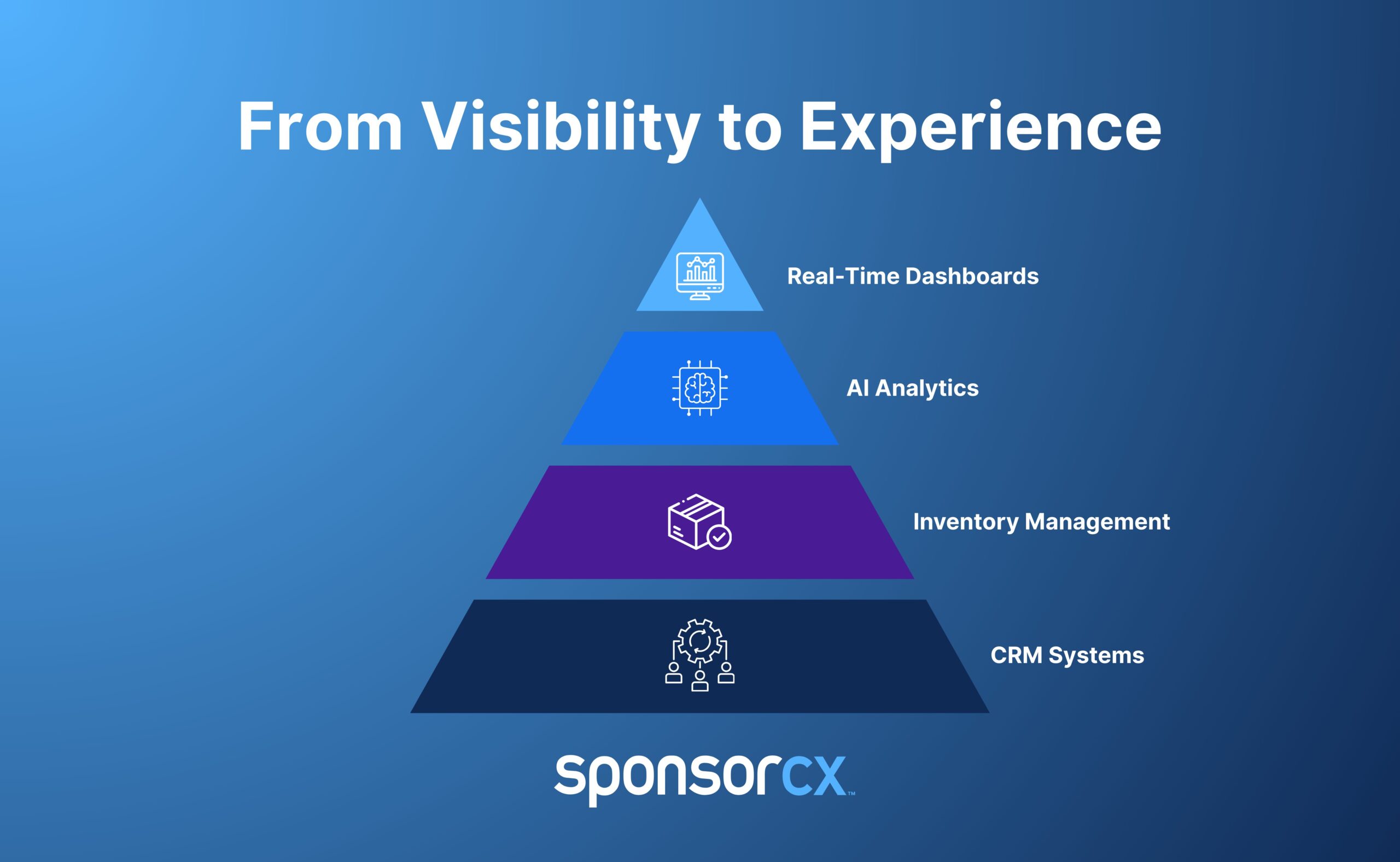
In a digital-first world, technology transforms sponsorship from guesswork into strategy. Automation and analytics tools now streamline nearly every stage of end-to-end sponsorship management.
Key tech advantages
- CRM systems for tracking leads and communication.
- Inventory management platforms to value and allocate assets efficiently.
- AI analytics that predict which sponsorships deliver the highest ROI.
- Real-time dashboards to enhance sponsorship fulfillment tracking.
Example in Action
Consider a regional sports team using SponsorCX. It tracks every step of the sponsorship lifecycle—from identifying leads to post-event reports—in one platform. Sponsors log in to see live activation results, and renewal rates rise because everyone has the same data story.
Technology doesn’t replace relationships. It strengthens them through shared visibility and trust.
Common Pitfalls
Even experienced teams make avoidable mistakes. Here are the most common ones—and how to fix them.:
- No clear objectives: Deals launched without KPIs rarely renew.
- Poor communication: Missed check-ins kill confidence.
- Overpromising: Selling more inventory than can be fulfilled damages credibility.
- Weak measurement: No data = no renewal conversation.
- Short-term thinking: Treating sponsors like one-time buyers instead of partners.
Fixing even one of these can dramatically improve your sponsor relationship management.
A Classic Case Study: Coca-Cola and the Olympic Games
- Prospecting & Fit
Back in 1928, Coca-Cola saw an opportunity to associate its brand with global unity and health. It was a perfect match for the Olympics’ mission. The IOC, in turn, wanted a sponsor that could handle worldwide logistics and visibility. This alignment of purpose and audience was the foundation of the deal. It was a textbook sponsorship prospecting strategy focused on shared values rather than just exposure.
- Proposal & Agreement
Coca-Cola proposed global product availability, branding on official materials, and athlete support. The IOC offered category exclusivity and on-site sales rights. Each side clearly defined assets, rights, and ROI expectations.
- Activation & Fulfillment
Over decades, Coca-Cola has activated through:
- Branded vending and recycling stations on-site.
- Content campaigns like “The Coke Side of Life” and “Together We Must”.
- The Olympic Torch Relay sponsorship, connecting fans worldwide.
Every detail, from product placement to fan interaction, is tracked through meticulous sponsorship fulfillment tracking.
- Measurement & ROI
Coca-Cola measures success through:
- Global brand lift studies.
- Retail sales spikes during Olympic years.
- Audience sentiment analysis tied to campaign hashtags.
The IOC measures value through sponsor satisfaction, activation quality, and consumer reach.
- Renewal & Longevity
Because both sides review performance transparently and align on future goals, renewals have been seamless. Coca-Cola’s century-long partnership with the Olympics proves that shared values, consistent performance, and transparent measurement drive longevity in sponsorship.
The Bottom Line: From One Deal to Many
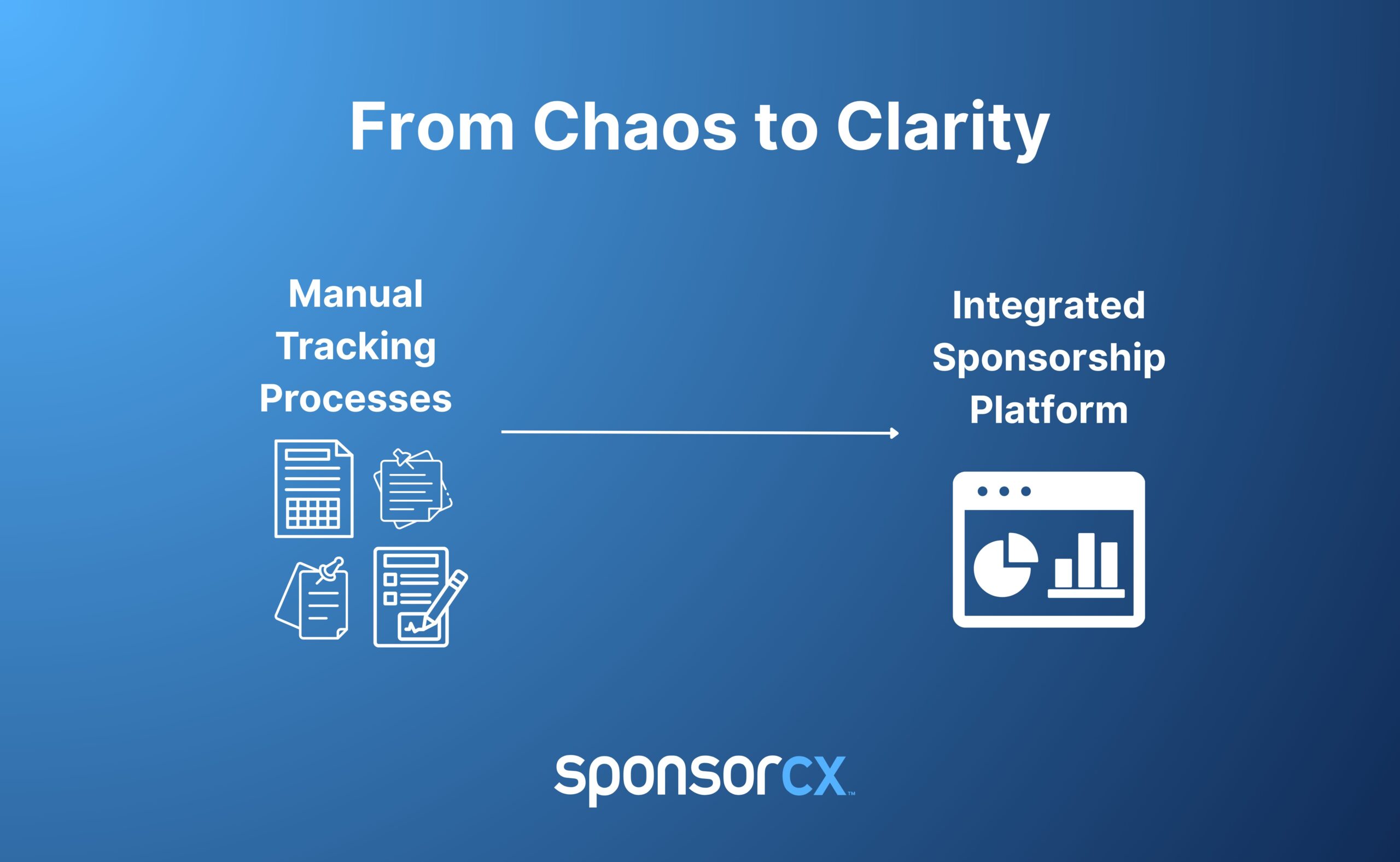
The lifecycle of sponsorships isn’t a checklist—it’s a loop in which each stage leads to and fuels the next. Every conversation, deliverable, and report sets up the opportunity that follows.
When you manage sponsorships through this lens, your process shifts from reactive to repeatable. You stop chasing deals and start cultivating partnerships that grow stronger every year.
Here’s the simple roadmap to remember:
- Inventory and Valuation – Know your worth.
- Prospecting and Engagement – Target with strategy.
- Proposal and Agreement – Customize and clarify.
- Activation and Fulfillment – Deliver and document.
- Measurement and ROI – Prove impact.
- Renewal or Exit – Grow or close gracefully.
That’s good sponsorship management done right. When you follow it with discipline, data, and empathy, sponsors stop being one-time clients and become long-term allies in growth.
You already know that great sponsorships don’t just happen—they’re managed with purpose. You’ve got the vision, the relationships, and the drive to build partnerships that matter. What you need is a platform that keeps every promise, tracks every deliverable, and proves every result.
That’s where SponsorCX comes in.
It’s the all-in-one tool built to guide you through every stage of the sponsorship process—from prospecting and activation to measurement and renewal. While you focus on creating value and connection, SponsorCX keeps the process organized, visible, and measurable.
So, take the next step. Streamline your process. Strengthen your partnerships. And become the sponsorship leader your organization needs.
Start your journey with SponsorCX today.